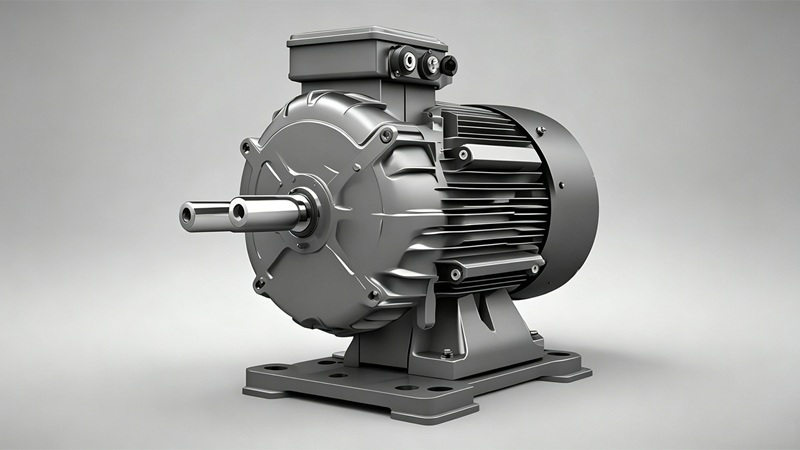
If you own or maintain an air compressor, you already know that the electric motor is its heart. Without a reliable motor, even the best compressor pump is useless. But choosing the right motor – or replacing a failed one – can be confusing. There are single‑phase and three‑phase options, different frame sizes, insulation classes, enclosure types, and duty cycles to consider.
This guide covers everything you need to know: how an air compressor motor works, key specifications, selection steps, installation tips, troubleshooting, and maintenance. By the end, you will be able to choose the right motor with confidence.
How an Air Compressor Motor Works
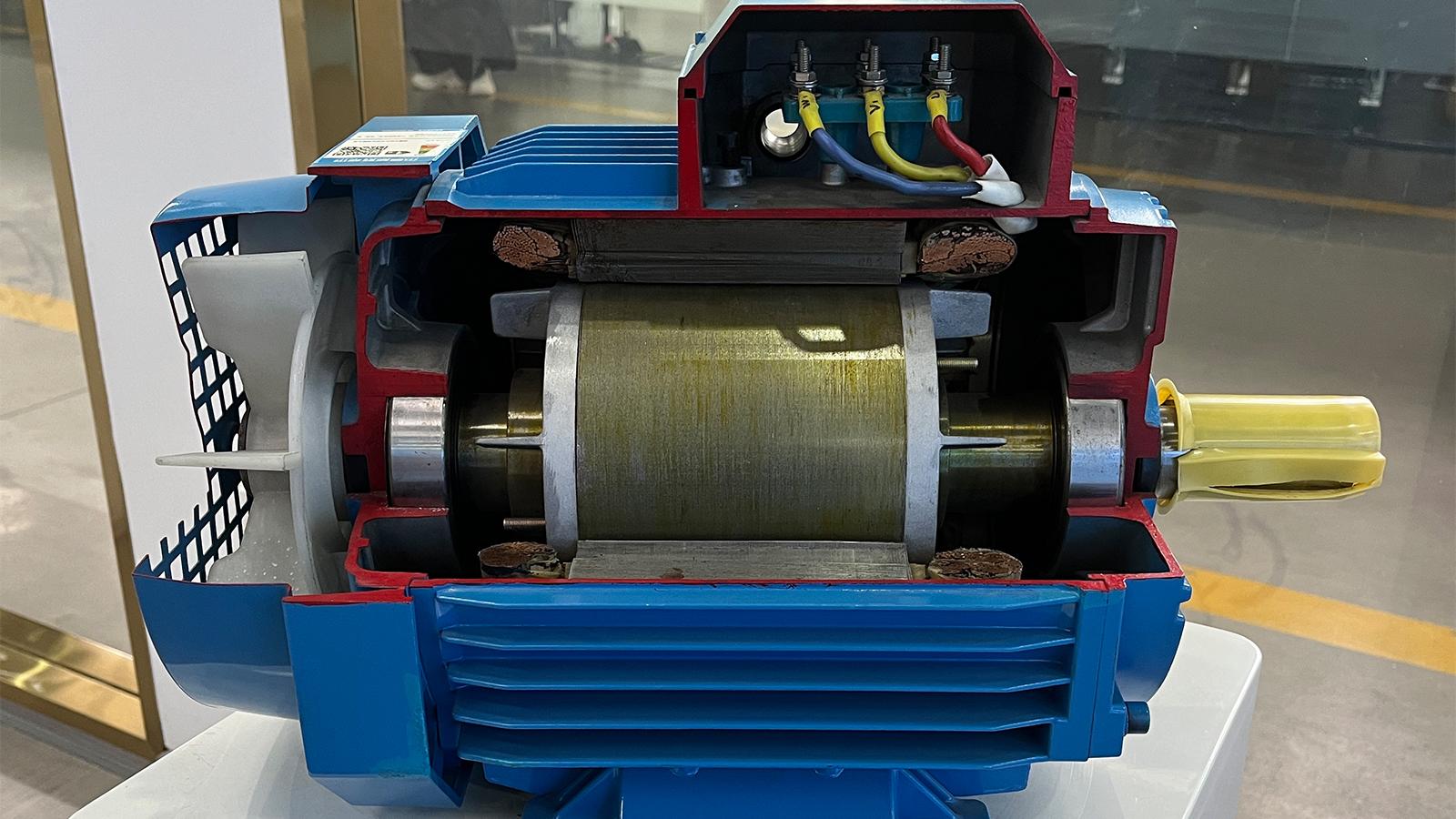
An air compressor motor converts electrical energy into mechanical rotation to drive the compressor pump. It consists of a stationary stator and a rotating rotor. The stator produces a rotating magnetic field that interacts with the rotor to create torque.
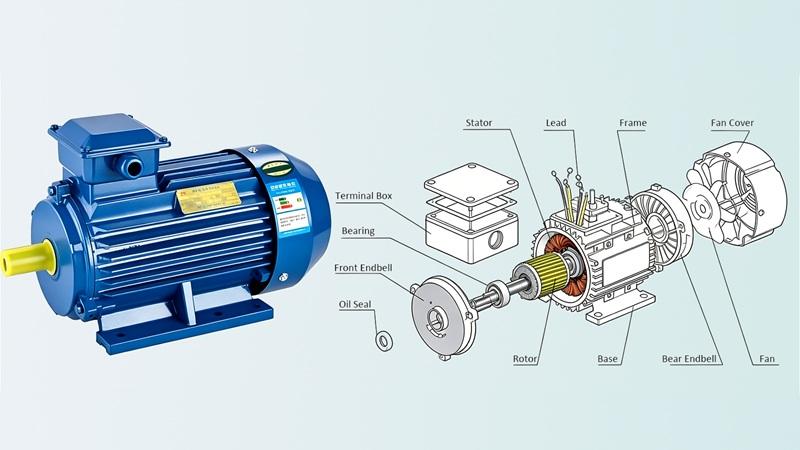
Most stationary compressors use induction motors because they are reliable, silent, and require little maintenance. Induction motors typically operate 1‑5% below synchronous speed – this slip is normal and allows torque to be generated.
Energy conversion in motors incurs resistive and friction losses, which is why no motor is 100% efficient. That efficiency is reflected in ratings like NEMA Premium or IE3.
Key Motor Specifications You Must Understand
Horsepower (HP) and CFM
Horsepower is important for determining capacity – a higher HP generally means the pump can deliver more air. However, CFM is more crucial for performance because it tells you how much air your tools actually receive. Match the motor and pump combination to the CFM needs of your tools. If you only need a nail gun, a 1.5 HP motor may suffice; for sandblasting or continuous use, you will need 10 HP or more.
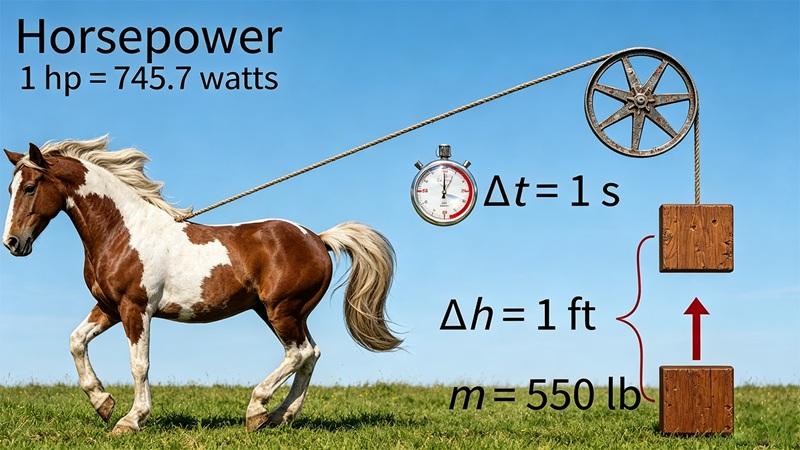
Higher horsepower motors are needed for higher pressure or continuous professional‑grade tasks. For example, a two‑stage compressor running at 175 PSI typically requires 5 HP or more.
Phase and Voltage
- Single‑phase electric motors (120V or 240V) are common for residential and small commercial use. They are simple to wire and widely available.
- Three‑phase electric motors (208V, 240V, 480V) are suitable for heavy loads in industrial applications. They offer higher efficiency, smoother starting torque, and longer life.
Ensure the motor matches the voltage requirements of your shop. A 240V motor connected to 120V will not start; a 120V motor on 240V will burn instantly.
Star and delta connections are used for three‑phase motors. A star connection allows for higher voltage operation (e.g., 480V), while a delta connection allows for lower voltage operation (e.g., 240V). This flexibility lets you use the same motor in different voltage systems by reconfiguring the terminal connections.
RPM and Torque
Common speeds are 1725 RPM and 3450 RPM (for 60 Hz power). Lower RPM generally means longer life but a larger frame. Starting torque is crucial for motors that operate under heavy loads during startup – a reciprocating compressor requires high starting torque because the pump must overcome cylinder pressure.
Duty Cycle
Duty cycle defines the ratio of operational time to resting time for a motor.
- Intermittent‑use motors have a 50% duty cycle (e.g., home garage compressor that runs a few minutes then rests).
- Heavy‑duty motors require 100% continuous duty for industrial or manufacturing applications where the compressor runs all day.
If you use a 50% duty cycle motor in a 100% application, it will overheat and fail quickly.
Insulation Class (IEC 60085)
Insulation classes are defined by IEC 60085 standards. They tell you the maximum winding temperature the motor can withstand.
- Class B insulation has a maximum winding temperature of 130 °C. Suitable for clean, normal environments.
- Class F insulation can withstand temperatures up to 155 °C. Preferred for compressors in warm workshops or continuous duty.
Choosing a higher insulation class (F or H) provides a safety margin and extends motor life.
Enclosure Type and Protection (IEC 60034‑5, IEC 60034‑6, IEC 60034‑7)
Enclosure type affects the motor’s suitability for various operating environments. Common types:
- Open drip proof (ODP) – best for clean, dry indoor spaces. Air flows through for cooling, but contaminants can enter.
- Totally enclosed fan cooled (TEFC) – standard for dusty environments like machine shops. TEFC motors protect against dust, sawdust, and moisture. An external fan blows air over the housing without letting dirt inside.
- Explosion‑proof – for hazardous areas with flammable gases or dust.
Protection classes are specified by IEC 60034‑5 standards (e.g., IP54, IP55). The first digit indicates dust protection; the second indicates water resistance.
Cooling methods are specified by IEC 60034‑6 standards. They include:
- Non‑ventilated (IC 410)
- Self‑ventilated (IC 411) – fan mounted on the motor shaft
- Forced cooling (IC 416) – separate fan motor
- Liquid cooling – used in very high‑power or high‑temperature environments
Cooling modes can involve internal or surface cooling methods. The right choice depends on ambient temperature and duty cycle.
Installation methods are defined by IEC 60034‑7 standards. For example:
- IM 1001 – motor with feet (flange‑less) and a free journal end.
- IM 3001 – motor without feet and a large flange for face mounting.
Frame and Shaft
The frame size (e.g., 56, 143T, 215T) determines mounting hole positions. The shaft diameter and keyway must fit the pump’s drive sheave or coupling. Always reference the old motor’s nameplate before buying.
Types of Air Compressor Motors
Air compressor motors are divided by their power source into electric or fuel‑powered categories.
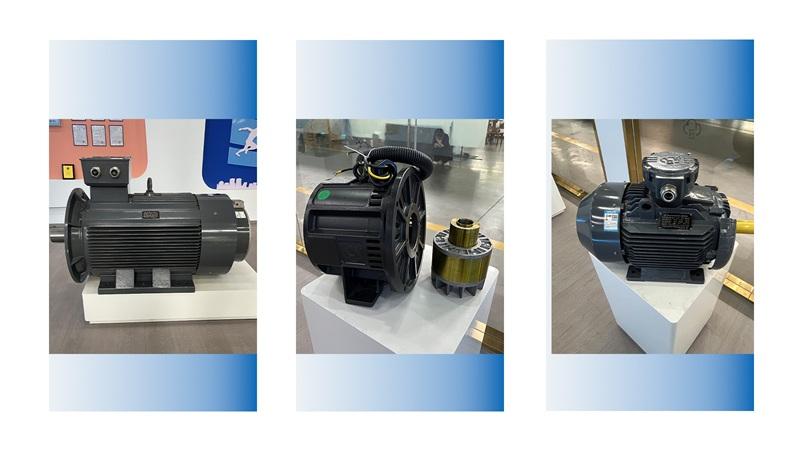
- Electric motors – used in stationary compressors. The most common type is a three‑phase induction motor because it is silent, reliable, and efficient. Induction motors are preferred for stationary heavy‑duty use due to their longevity.
- Permanent magnet motors – used in variable speed compressors to improve energy efficiency. Permanent magnet motors do not produce slip at all (synchronous operation), which gives precise speed control and higher efficiency (IE4/IE5).
- Gasoline and diesel‑powered motors – ideal for portable use on outdoor job sites where electricity is unavailable. They are not covered in depth here but are worth mentioning.
Motors designed for oil‑lubricated pumps generally last longer than oilless designs because the oil cools and lubricates internal components.
Common Mistakes When Selecting a Motor
Mistake 1: Only Looking at Horsepower
Many buyers agree that HP is the most important number. But ignoring service factor, duty cycle, and phase leads to failures. High‑power compressors can trip standard breakers due to their amp draw – you must check the motor’s full‑load amps against your circuit rating.
Mistake 2: Using a General‑Purpose Motor on a Compressor
As we see in the field, customers often replace a failed compressor‑duty motor with a general‑purpose unit. The result is overheating, inability to start under load, and early failure. Always use a true compressor‑duty motor with a service factor of at least 1.15 and continuous duty rating.
Mistake 3: Ignoring Voltage and Phase
Three‑phase motors will not run on single‑phase power without a phase converter. Ensure the motor matches the voltage requirements of your shop – a 480V motor on 240V will spin slowly or not at all.
How to Choose the Right Air Compressor Motor
Choosing the right air compressor motor involves matching power capabilities to tool requirements. Follow these steps:
Step 1: Determine Your Compressor Type and Load
- Reciprocating pump → high starting torque needed.
- Rotary screw → continuous duty, premium efficiency recommended.
Step 2: Match Horsepower to CFM Demand
Match the motor and pump combination to the CFM needs of your tools. Use the manufacturer’s recommendation. If you are upgrading, do not oversize the motor beyond what the pump can handle.
Step 3: Select Phase and Voltage
- Single‑phase for residential or small shop (up to ~5 HP).
- Three‑phase for industrial, heavy load, or any motor above 10 HP.
Step 4: Choose Enclosure and Protection
- Clean, dry indoor → ODP.
- Dusty, humid, outdoor → TEFC. TEFC motors protect against dust, sawdust, and moisture.
- Hazardous → explosion‑proof.
Step 5: Verify Insulation Class and Cooling
- Class F or H for continuous or warm environments.
- Self‑ventilated (IC 411) is standard; forced or liquid cooling for extreme conditions.
Step 6: Confirm Frame and Shaft Dimensions
- Measure the existing motor’s frame size and shaft diameter. Write them down as a reference.
Step 7: Consider Efficiency and Lifecycle Cost
- A premium efficiency motor costs more upfront but saves money over time through lower energy bills.
Installation and Wiring Tips
Proper installed motor performance depends on correct mounting and wiring.
- Mounting – Use the correct frame bolts. Align the shaft with the pump sheave (for belt drive) or coupling (for direct drive).
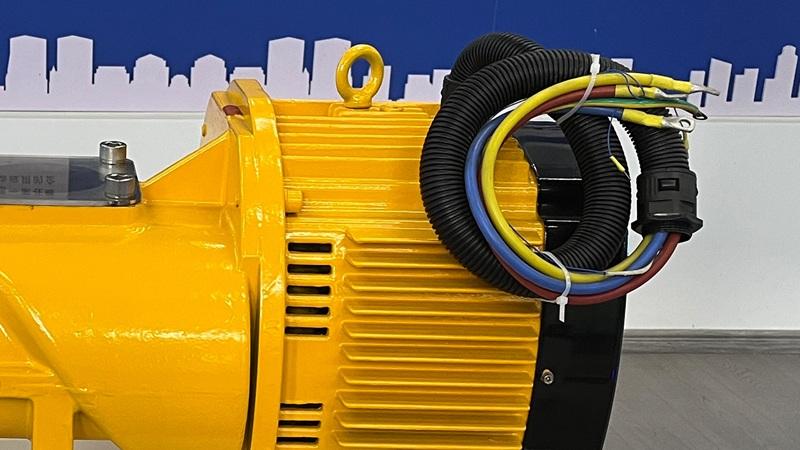
- Wiring – Follow local electrical codes. Use appropriate wire gauge for the power draw.
- Overload protection – Install thermal overload relays set to the motor’s full‑load amps. High‑power compressors can trip standard breakers if the breaker is not properly sized for motor starting current.
- Rotation direction – For three‑phase motors, swap any two leads to reverse direction. For single‑phase, follow the diagram.
- Turning the shaft by hand before startup ensures the pump is not seized.
Decibel ratings indicate noise levels of motors in different operational environments. A TEFC motor with a fan may be louder than an ODP, but the protection is worth it in dirty areas.
Replacing an Air Compressor Motor
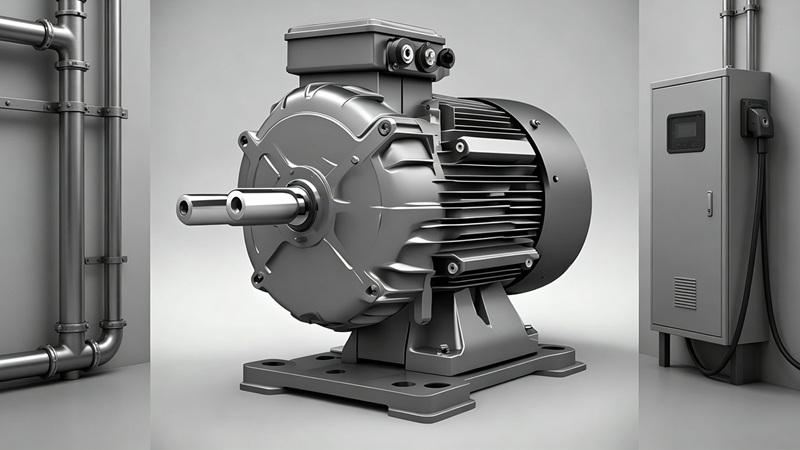
When replacing a failed motor, follow this checklist:
- Photograph the nameplate – capture HP, voltage, phase, RPM, frame, service factor, duty cycle, insulation class.
- Measure the shaft – diameter and length, plus keyway size.
- Check the mounting – bolt hole pattern and center height.
- Note rotation direction – some compressors require a specific rotation.
- Decide repair vs replace – rewinding an old motor is often more expensive than a new premium efficiency unit.
Motors designed for oil‑lubricated pumps generally last longer, but even the best motor will fail if the pump is worn or the environment is harsh.
Troubleshooting Common Motor Problems
Love your compressor? Then learn to diagnose its motor issues.
| Problem | Likely Cause | Solution |
|---|---|---|
| Motor won't start | No power, bad capacitor, tripped overload | Check breaker, test capacitor, allow cooling, reset |
| Motor hums but doesn't turn | Bad start capacitor, seized pump, low voltage | Replace capacitor, check pump freedom, measure voltage |
| Motor overheats and trips | Dirty cooling fins, overload, high ambient | Clean motor, reduce duty cycle, improve ventilation |
| Motor runs slowly | Low voltage, wrong wiring (star/delta mismatch) | Verify supply voltage, reconnect correctly |
| Excessive current draw | Pump binding, voltage sag, motor undersized | Measure amps; compare to nameplate |
| Capacitor fails repeatedly | Failing start switch (centrifugal or electronic) | Test switch; replace switch assembly |
One hidden fault we often see: the motor trips on thermal overload, the user replaces the capacitor, but the problem returns. The root cause is usually a failing start switch that does not disconnect the start capacitor. Test the switch before replacing another capacitor.
Maintenance to Extend Motor Life
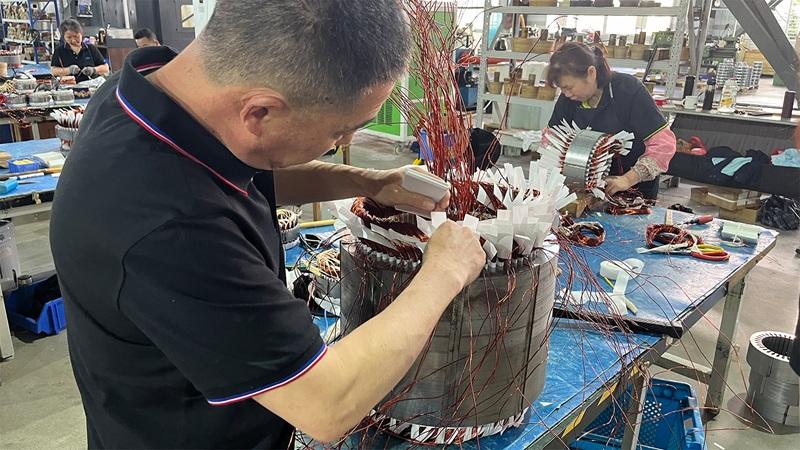
Regular maintenance keeps your motor running for years. Here is a schedule:
- Monthly – Clean dust and debris from cooling fins and fan cover. Dust is a major killer of motors.
- Monthly – Check belt tension (if belt‑drive). Too tight strains bearings; too loose slips.
- Weekly – Listen for unusual noise (grinding, scraping). Turning the shaft by hand during service can reveal bearing roughness.
- Quarterly – Measure motor current with a clamp meter. Compare to nameplate full‑load amps.
- Quarterly – Check voltage at motor terminals. Should be within ±10% of nameplate.
- As needed – Lubricate bearings if they have grease fittings. Use the correct grease type and amount.
- Every 3‑5 years – Replace start and run capacitors as preventive maintenance.
Moisture is another enemy. If the compressor room is humid, use a TEFC motor. TEFC motors protect against dust, sawdust, and moisture.
Single‑Phase vs Three‑Phase – Which Is Better?
| Factor | Single‑Phase | Three‑Phase |
|---|---|---|
| Availability | Residential, small commercial | Industrial |
| Starting torque | Moderate (capacitor‑start helps) | High, smooth |
| Efficiency | Lower above 5 HP | Higher at all HP |
| Motor cost (same HP) | Lower for small sizes | Lower for large sizes (>10 HP) |
| Operating cost | Higher (due to lower efficiency) | Lower |
| Best for | Home garage, small shop ≤10 HP | Factories, continuous operation, any HP |
Three‑phase electric motors are suitable for heavy loads in industrial applications – they run cooler, last longer, and cost less to operate.
Energy Efficiency and Upgrades

- Premium efficiency motors (NEMA Premium / IE3) reduce electrical losses by 15‑30%.
- Permanent magnet motors (PMAC) used in variable speed compressors achieve IE4/IE5 efficiency.
- Upgrading from a standard to a premium motor often pays back in 1‑3 years through energy savings.
- Check with your utility for rebates on high‑efficiency motors.
Induction motors are preferred for stationary heavy‑duty use due to their longevity – a well‑maintained TEFC induction motor can run 20 years.
Frequently Asked Questions
Q: What size motor do I need for my air compressor? A: Match the motor’s HP to the pump’s requirement. For a given HP, also match the motor and pump combination to the CFM needs of your tools – CFM determines actual tool performance.
Q: Can I replace a single‑phase motor with a three‑phase motor? A: Only if you have three‑phase power available or install a phase converter. Otherwise, no.
Q: Why does my motor keep tripping the breaker? A: Possible causes: worn bearings, pump binding, undersized breaker, low voltage, or shorted windings. High‑power compressors can trip standard breakers – you may need a time‑delay breaker.
Q: What is the difference between ODP and TEFC? A: ODP allows air to flow through for cooling – best for clean, dry spaces. TEFC is sealed with an external fan – TEFC motors protect against dust, sawdust, and moisture.
Q: How do I know if my motor has a bad start switch? A: If you replace the start capacitor and the motor still fails to start or trips overload soon after, suspect the centrifugal switch or electronic relay. Listen for a click as the motor slows to a stop – that is the switch resetting.
Q: What are the most common motor types? A: For stationary compressors, the most common motor type is a three‑phase induction motor. For home use, single‑phase capacitor‑start induction motors dominate.
Conclusion
Choosing the right air compressor motor does not have to be complicated. Focus on these key points:
- Horsepower is important for determining capacity, while CFM is more crucial for performance – match the motor and pump to your tool’s air consumption.
- Single‑phase electric motors work for residential use; three‑phase electric motors are suitable for heavy loads in industrial applications.
- Always check the nameplate for service factor, duty cycle, insulation class, and enclosure type.
- Motors designed for oil‑lubricated pumps generally last longer – invest in quality.
- Induction motors typically operate 1‑5% below synchronous speed – that slip is normal and not a defect.
- Use reference numbers from the old motor’s plate and frame to ensure compatibility.
- If you need further help, contact a motor specialist. We offer free sizing advice – just send us your compressor model or motor nameplate.
Love your compressor? Take care of its motor, and it will read your every command – delivering reliable compressed air for years to come. And if you love learning things like this, take time to explore our other air compressor guides.
Need Help Finding the Right Motor?
We are here to help. Contact our team with your existing motor nameplate data or compressor model. We will help you select the correct replacement – whether it is single‑phase, three‑phase, TEFC, or explosion‑proof. Agree that choosing a motor can be confusing? Let us simplify it for you.